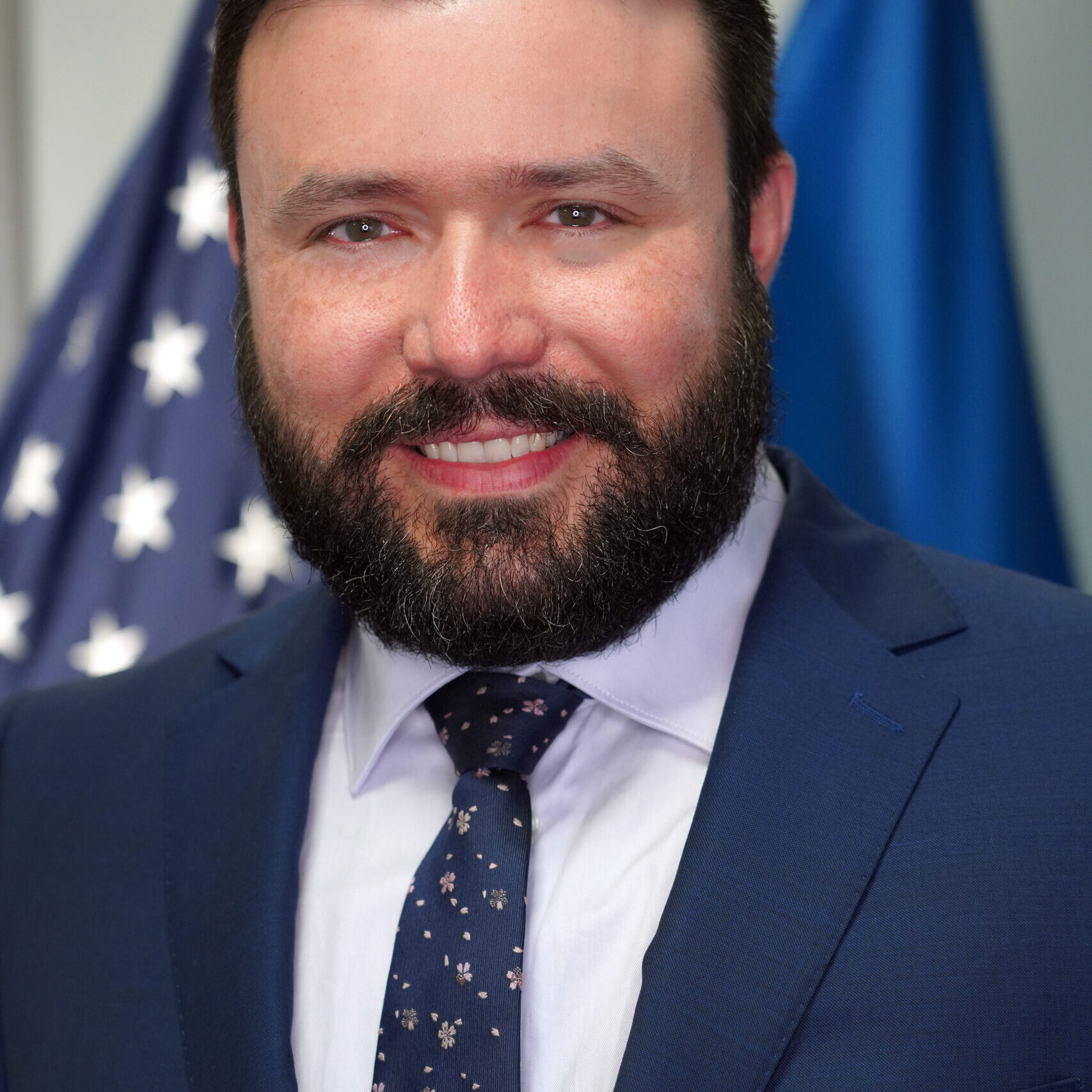
Derrick Hiebert is the Infrastructure Resilience Practice Leader for AECOM East Water, a former federal Senior Executive, and Certified Emergency Manager with a record of building sustainable, innovative hazard mitigation programs at the federal, state, and local level. He recently led the Hazard Mitigation Directorate at the Federal Emergency Management Agency, delivering a nationwide portfolio of over $35B in Hazard Mitigation Assistance grants, the national floodplain management program, and the post-disaster hazard mitigation cadre. Prior to FEMA, Derrick helped build a climate adaptation and hazard mitigation practice at Deloitte and led state and local hazard mitigation planning and project development for King County Emergency Management and Washington State. Derrick is most passionate about improving the transparency, accessibility, efficiency, and impact of public investments in hazard mitigation and climate adaptation. Derrick holds a Master of Urban Planning from the University of Washington, Seattle, and a Bachelor of Arts in Geography from The George Washington University in Washington, DC.
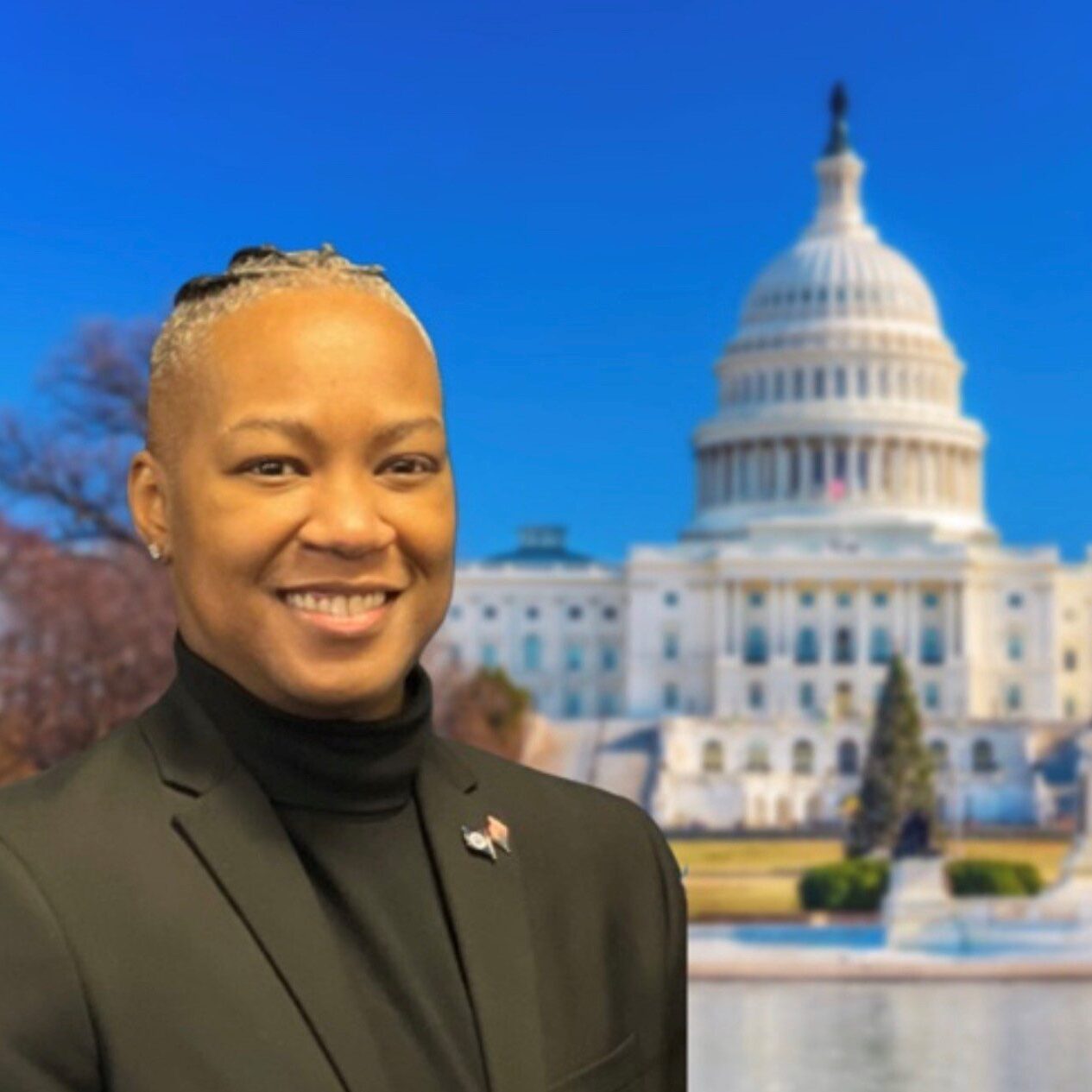
Dawn Dickerson is a transformative leader and compassionate innovator in Emergency Management with over 15 years’ experience helping communities “before, during, and after” disasters. As the founder of EM Disaster Solutions, she brings a steadfast commitment to helping communities translate complex emergency management policies into effective, people-centered strategies through planning. Her leadership is grounded in a “survivor-first” approach, ensuring that every action planned supports the well-being of those who have the greatest need.
Dawn’s career is a testament to her reliability, vision, and strategic foresight as she has successfully coordinated response and recovery missions for some of the nation’s largest and costliest disasters, including the COVID-19 pandemic, Hurricanes Harvey, Irma, and Maria, and the Paradise Camp Fire. As a former Federal Disaster Recovery Officer for the Federal Emergency Management Agency (FEMA), Dawn was most known for her calm under pressure, empathy, and a relentless drive to simplify processes, all while empowering the next generation of emergency management professionals with skills and confidence.
NHMA looks forward to Dawn’s support in the Program Management role.
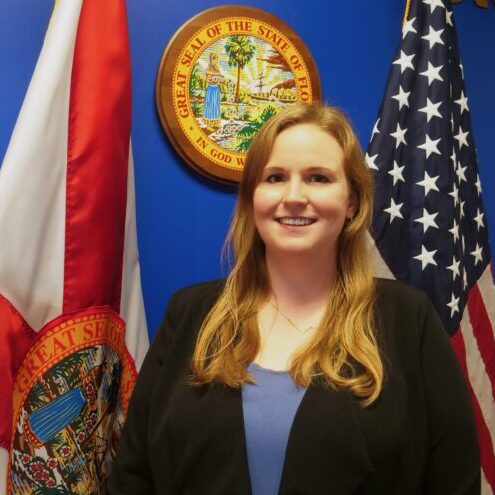
Laura Dhuwe is the State Hazard Mitigation Officer and Chief of Mitigation at the Florida Division of Emergency Management. In this role, she oversees the strategic management of state and local mitigation planning efforts, supervises the administration of multiple federal and state mitigation grants totaling over $2 billion, and directs the implementation of the National Flood Insurance Program for the 468 participating Florida communities. Laura is also a member of the Florida Emergency Preparedness Association where she co-chairs the Mitigation Working Group.
Laura holds a Project Management Professional (PMP) certification, a Bachelor’s degree from Michigan State University, and a Master’s degree from Nova Southeastern University.

Munyaradzi Guveya is a dynamic and results-oriented professional with extensive experience in operations and supply chain management. He is currently a graduate student at The George Washington University School of Business, pursuing a Master of Science in Interdisciplinary Business Studies, where he focuses on areas such as Supply Chain Analytics, Risk Management, and Crisis and Emergency Management. Munyaradzi holds a Bachelor of Science (Honors) in Supply Chain Management from Chinhoyi University of Science and Technology in Zimbabwe.
Throughout his career, Munyaradzi has demonstrated exceptional skills in improving operational efficiencies, reducing costs, and enhancing supplier and customer satisfaction. At Herschell Barker Clothing Company in Harare, Zimbabwe, he implemented strategies that improved supplier performance, order accuracy, and warehouse efficiency. His role as Operations Officer also led to faster acquisition of critical materials and reduced operational bottlenecks.
In his previous position as Operations Coordinator at Push Athletics Pvt Ltd, Munyaradzi managed fabric inventory, reduced procurement costs, and increased customer satisfaction ratings. His ability to build and maintain client relationships led to significant increases in product sales.
Munyaradzi's career began at Strauss Logistics Zimbabwe, where he excelled as a Procurement Vehicle Controller and Stores Clerk. His contributions included reducing transportation costs, improving the quality of motor vehicle spare parts, and optimizing store management efficiency.
In addition to his professional achievements, Munyaradzi actively contributes to the academic community as a Representative on the International Student Advisory Board at The George Washington University. He provides valuable insights and assistance to peers, organizes orientation sessions, and plans virtual and in-person programming for international students.
Munyaradzi holds several licenses and certificates, including:
His technical expertise includes proficiency in Microsoft Word, Excel, PowerPoint, SQL, JMP, SAP, SAS, and Tableau. His personal skills encompass analytical thinking, teamwork, communication, and organizational abilities.
Munyaradzi is driven to innovate and shape business strategies creatively. His dedication to stability, growth, and profitability is evident in his leadership and strategic initiatives. He continues to thrive in challenging environments, leveraging his skills and experience to drive success in supply chain and operations management.

Caroline Cunningham is a hazard mitigation and climate resilience expert who has supported 300+ federal, local, state, territorial, tribal, university, and private sector clients. She is a certified floodplain manager, professional planner, and charrette facilitator and thrives on bringing ingenuity to the most challenging resilience issues. She has led more than 50 hazard mitigation and climate adaptation plans and brings expertise in multi-hazard risk assessment, outreach and engagement, policy, and grants, which give her the necessary knowledge to advance ideas into risk reduction action. Caroline has led and contributed to projects such as: the Mitigation Benefits Estimator, an application that simplifies benefit-cost analyses to aid decision makers in optimizing land use decisions; Honolulu’s Climate Design Guidelines which will promote safer building; Amtrak’s Climate Resilience Strategic Plan which guides the infusion of adaptation measures into processes and practices; New Orleans Blue-Green Corridors which activates floodplains and water as a community resource; and “Just Imagine SWLA,” a resilience master plan for Southwest Louisiana and recipient of a Congress of New Urbanism award for Excellence in Urban Design.
Prior to joining Dewberry, she helped envision, grow, and lead resilience services for a top 10 global design firm and is currently overseeing Dewberry’s resilience strategy. She serves as Treasurer for the National Hazard Mitigation Association and is a FEMA-authorized hazard mitigation trainer, further exemplifying her knowledge in the field.
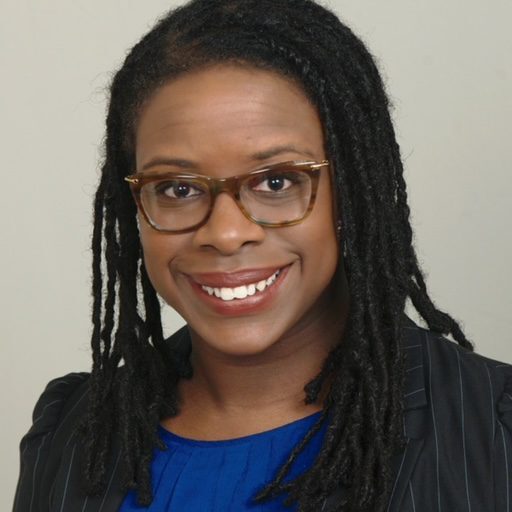
Dr. Heather Kirkland is an Alumni of the Bill Anderson Fund, BAF fellowship with her PhD in Cultural Anthropology from American University. Dr. Kirkland’s work as an applied cultural anthropologist focuses on the field of hazards research and disaster mitigation. Her work integrates three research tracts: Mitigating the impacts of disasters on marginalized communities specifically low-income populations; mental health outcomes in underrepresented populations; and intergenerational communication. Dr. Kirkland’s dissertation research focused on “Changemakers in Emergency Management”. Changemakers bring together large networks to encourage collaboration and information sharing among stakeholders. Dr. Kirkland participated in a focus group reviewing the 2018-2022 Strategic Plan for the Federal Emergency Management Agency, FEMA. Dr. Kirkland co-authored a paper with a FEMA program manager regarding intergenerational communication in Emergency Management.
Dr. Kirkland is committed to public anthropology with the goal of making her work accessible outside of academia. Engaging with practitioners and local communities, she is a member of the Risk and Disaster Special Interest group within the Society for Applied Anthropologists, SFAA., the Washington Association of Public Anthropologists, WAPA and the Culture and Action Disaster Network, CADAN . Invited to share her research with the International Association of Emergency Managers and the Stanford Urban Resilience Initiative, SURI.
Dr. Kirkland works full time as a Grants and Contracts Manager in a career spanning sixteen years of service at American University, with an emphasis on cross divisional collaboration to implement business intelligence and data governance tools. Prior to her role in Finance Administration, she worked for the Justice Programs Office which provided training and technical assistance to Criminal Justice agencies.
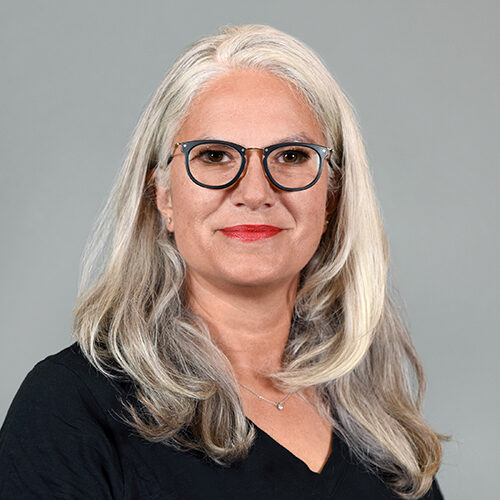
Dr. Melanie Gall is a Certified Floodplain Manager and hazards geographer studying the interaction between natural hazards and society. Her expertise lies in risk metrics (e.g., disaster losses, indices, risk assessments), hazard mitigation, and climate change adaptation planning. She is an Assistant Professor in the School of Public Affairs at Arizona State University, where she co-directs the ASU Center for Emergency Management and Homeland Security (CEMHS) and manages the Spatial Hazard Events and Losses Database for the United States (SHELDUS). She has previously taught at the University of South Carolina, Claflin University, and Louisiana State University.
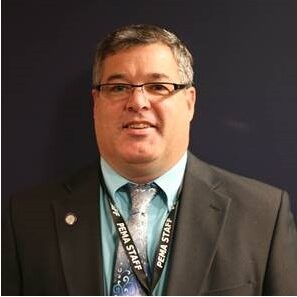
Tom is the Director of the Pennsylvania Emergency Management Agency’s EM Mitigation, Insurance and Resilient Communities (MIRC) Office, as well as the State Hazard Mitigation Officer where his office assists, state, county, municipal and special districts in natural hazard identification and implementation of cost-effective measures that will reduce future losses resulting from natural disasters. Tom has a wealth of experience in the outreach activities, administration, implementation and closeout requirements for Federal Emergency Management Agency’s Hazard Mitigation Assistance and US Housing and Urban Development Community Development Block Grant-Disaster Recovery funding streams. He is currently VP for FEMA Region III’s Regional Advisory Council, on the Natural Hazard Center’s Advisory Council, and co-chair for the nationally recognized USACE PA Silver Jackets Team and is an alum of the FEMA HMA External Stakeholder Work Group.
He has received his CEM from IAEM/NCCEM three times. He served 27 years with the USAF/USAFR and retired from McGuire AFB, NJ, as the 514th Mission Support Group Superintendent as a Chief Master Sergeant; was deployed in support of Desert Storm/Desert Shield and North Watch/Iraqi Freedom operations in support of CBRNE, Disaster Preparedness and Emergency Management needs. He received his AA in Financial Management from the Community College of the Air Force, Maxwell AFB, AL and BA in Business Administration, Lycoming College, Williamsport PA.
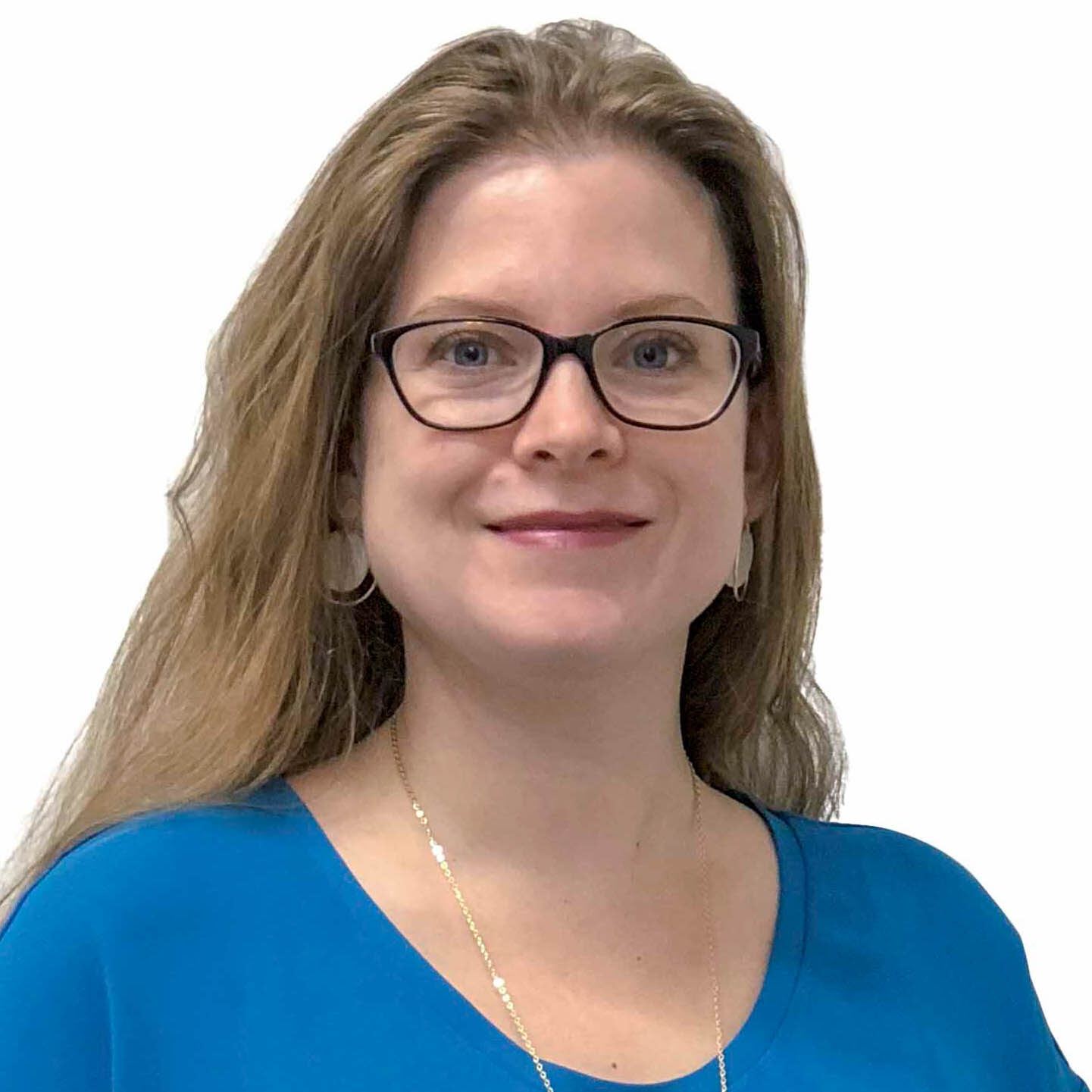
Erin Capps is a licensed attorney and has provided oversight, management, technical assistance, and quality control on local, state, and national contracts. She is adept in all areas of mitigation and recovery from the development of Hazard Mitigation Assistance (HMA) plans and grants, to managing mitigation programs on behalf of states and leveraging funding based on prioritization of FEMA Public Assistance (PA) and the HUD Community Development Block Grant – Disaster Recovery (CDBG-DR).
Ms. Capps’ extensive mitigation experience includes managing state programs for the implementation of the Building Resilient Infrastructure and Communities (BRIC). She assisted communities throughout the States of Texas, Florida, Maine, Massachusetts, Mississippi, New Mexico, New York, North Carolina, and South Carolina in maximizing funding following some of the nation’s largest disasters. She is well versed in the Stafford Act, FEMA and HUD recovery and mitigation programs, and participates annually in thought leadership for national groups as a board member for the Natural Hazard Mitigation Association (NHMA).

Mike Sprayberry is a proven leader and emergency manager with a career of public service spanning over 42 years. Mike is currently serving as the Senior Advisor for Emergency Management for Hagerty Consulting. Prior to this position, he served the State of North Carolina for more than more than 15 years in various leadership roles within the state’s Division of Emergency Management; eight of which he served as the Division’s Director while also leading the state’s Office of Recovery and Resiliency and serving as the state’s Deputy Homeland Security Advisor. During his tenure as Director, Mike successfully led his agencies through 32 federal and state declared disasters. Additionally, Mike was President of the National Emergency Management Association (NEMA) from 2017-2018.
Before joining state government, Mike honorably served in the United States Marine Corps and North Carolina Army National Guard for 25 years. Mike holds bachelor’s and master’s degrees from the University of North Carolina at Charlotte.
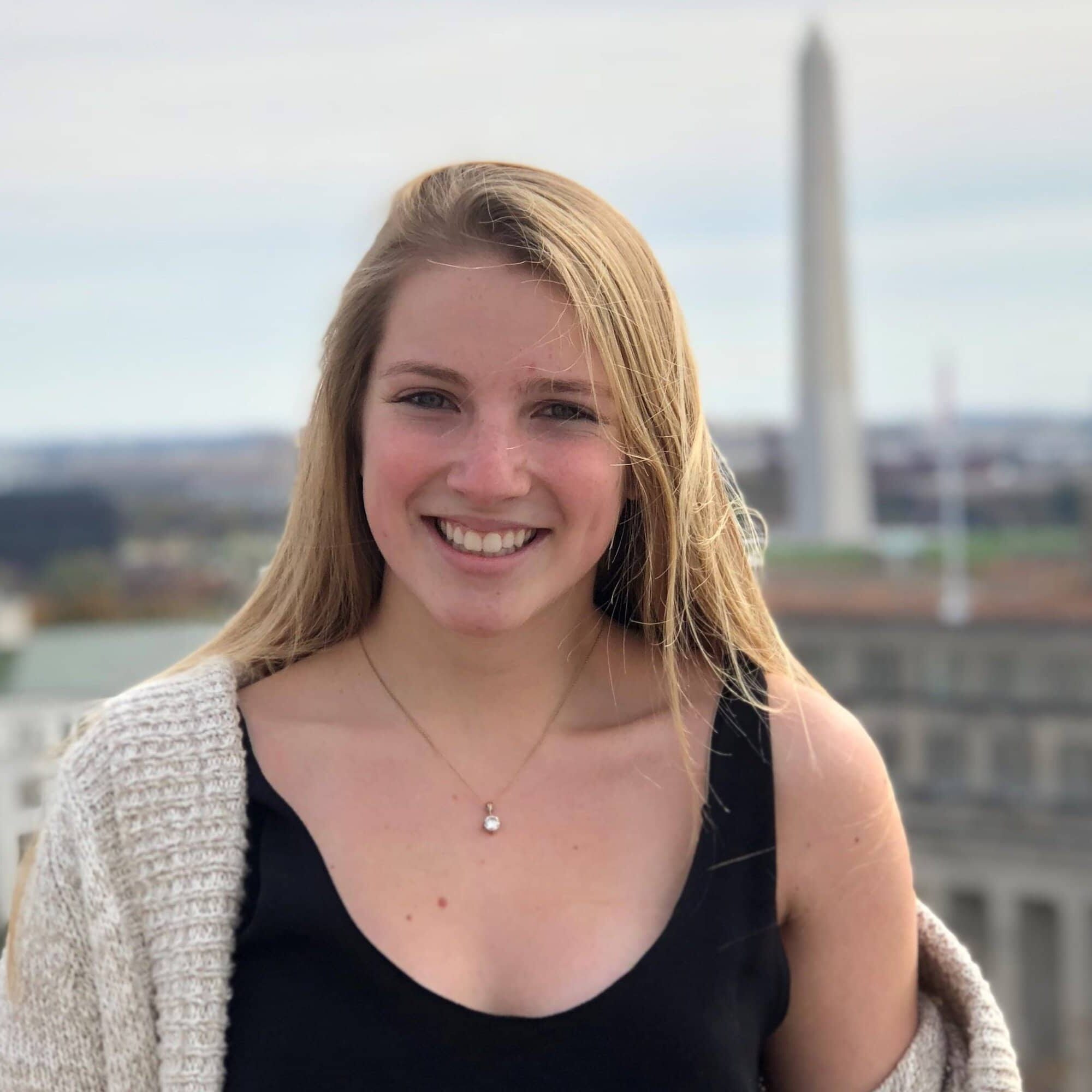
Grace is the NHMA Emerging Leaders Committee Chair. She lives in Philadelphia and is working as a Graduate Engineer in StormWater Management. She has previous work experience at a Salt Water Reverse Osmosis Plant processing and distributing drinking water and, most recently, she’s worked in telecommunication design, providing broadband to the United States Midwest. She graduated from The George Washington University with her BS in Civil Engineering in 2020 and her MS in Engineering Management with a focus in Crisis, Emergency, and Risk Management in 2021.

Tera Mathis is the Emergency Management Director for the City of Duncan in Duncan, OK. She has been with the City of Duncan for 16 years and has served as the EM Director for two years. She began working in Emergency Management back in 2016 when a disaster impacted Duncan and a special needs child lost his life in floodwaters. During her time in Emergency management the City of Duncan has experienced five declared disasters. Each disaster has taught Tera the strengths and weaknesses of the community and the importance of mitigation and preparedness.
Tera graduated from Cameron University with her BS in Interdisciplinary Studies in 2010 and her MS in Organizational Leadership in 2015. She is a certified floodplain manager and serves as the Vice Chairman for the Local Emergency Planning Committee.

Jack Krolikowski is the Flood Planning Director at the American Flood Coalition, where he advances AFC’s long-term strategy for promoting risk-informed flood planning at all levels of government. Prior to joining AFC, Jack was the Deputy State Hazard Mitigation Officer in Georgia, where he coordinated natural hazard mitigation planning and risk reduction projects with other state agencies and across Georgia’s 159 counties. In that role, he was also the Co-State Lead of the Georgia Silver Jackets Team with the U.S. Army Corps of Engineers (USACE) and was selected for the FEMA External Stakeholders Working Group (ESWG). He also previously worked in the Georgia State National Flood Insurance Program Office and for a community development non-profit in Nicaragua. Jack holds bachelor’s and master’s degrees in civil engineering from the Georgia Institute of Technology.

Patrick is a Senior Climate Risk and Resilience Advisor with Stantec, providing climate risk, resilience, and ESG solutions to public and private-sector clients in North America and worldwide. He has nearly 20 years of experience in the environmental, disaster risk reduction, climate adaptation and sustainability fields. Patrick is an AICP-certified planner and holds a Sustainability and Climate Risk certification from the Global Association of Risk Professionals. He also serves on the leadership of the Climigration Network and has appeared on numerous podcasts, webinars and publications discussing the impacts of climate-induced relocation. Patrick earned a Master of Marine Affairs from the University of Washington and a Bachelor of Business Administration in Decision Sciences from Georgia State University.
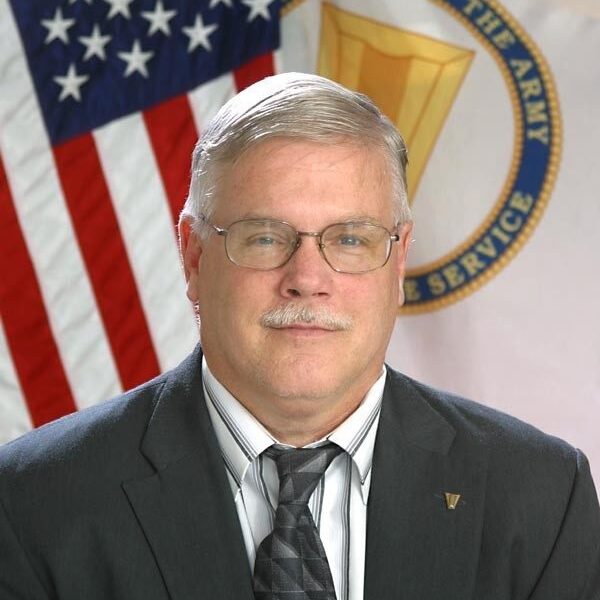
Ed is currently an independent senior consultant on emergency management and disaster risk management policy, programs, and operations. He served as a senior policy advisor to the Director of Civil Works, Director of IWR and the Director of Contingency Operations for the U. S. Army Corps of Engineers. In this role, Ed was responsible for providing advice and policy support to USACE leadership in the development, coordination and facilitation of USACE strategic initiatives including Civil Works Transformation, USACE Infrastructure Strategy, Emergency Management, Flood Risk Management and related Water Resources missions and activities.
Previously, he was assigned as Director of Contingency Operations and Homeland Security for the Corps, where he was responsible for providing leadership in the coordination and facilitation of USACE Homeland Security missions in support of the Department of Homeland Security (DHS), the Department of the Army (DA), and the Department of Defense (DOD). He is also experienced in federal, state and local emergency management and emergency response organizations with mitigation, planning, training, and exercises necessary to build and sustain capabilities to provide protection from and respond to any emergency or disaster, including incidents involving weapons of mass destruction (WMD) as well as other natural or manmade hazards.
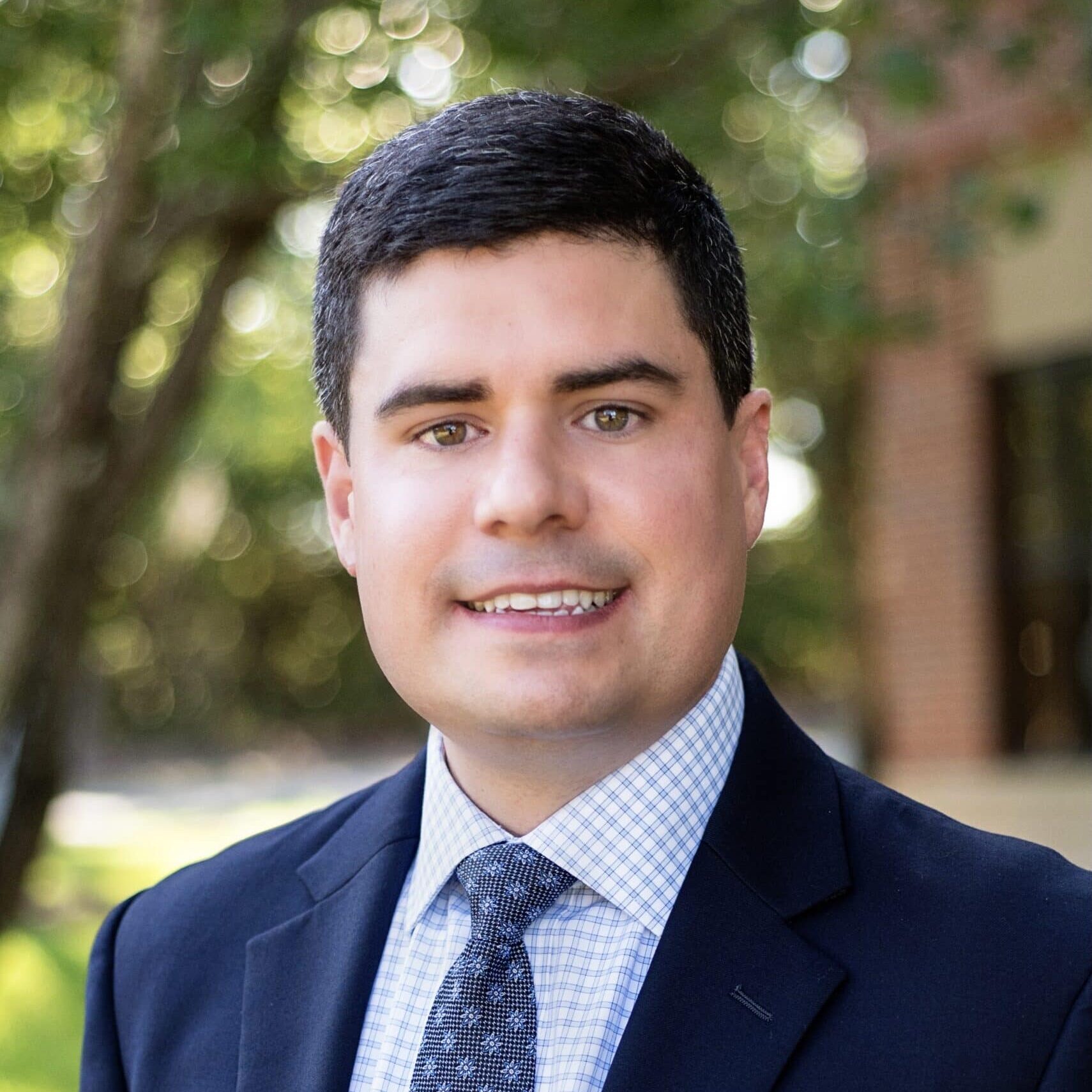
Edward “Ned” Fernandez, CFM, is a Vice President and Strategic Resilience Practice Lead at ICF, where he supports state, local, tribal, and non-profit organizations with planning, grant application development, and program management. Edward leads several state-level mitigation initiatives and has significant experience with utility resilience for the water industry. He has extensive knowledge of FEMA’s Hazard Mitigation Assistance programs, the FEMA Public Assistance Program, and HUD’s Community Development Block Grant programs.
Edward is passionate about floodplain management, economic impact analysis, and benefit-cost analysis. He has also developed post-disaster loss avoidance assessment methods recognized as a best practice for assessing mitigation program effects. Edward is a Certified Floodplain Manager and holds a Master’s of Science in Planning (MSP) and a Bachelor of Arts (BA) from Florida State University.

Nickea Bradley is the Director of Prevention and Mitigation for the Washington Metropolitan Area Transit Authority (WMATA). In her current role, she leads mitigation efforts to reduce the likelihood and severity of emergency incidents involving rail, bus, paratransit and the authority’s administration.
In prior roles, Ms. Bradley worked in numerous emergency response roles including George Floyd civil disturbance, Winter Storm Jonas, hurricanes (Laura, Joaquin, Jonas and Mathew), flash flooding (West Virginia), Avian Flu (Iowa), and major national events such as a presidential inauguration, Democratic National Convention, Nuclear Summit, and the 2019 World Series. Additionally, Ms. Bradley has presented both domestically and internationally at training courses, workshops and conferences.

Brad Bartholomew is a seasoned Mitigation Project Manager at CDM Smith with over 19 years of experience in local, state, and private sector roles focused on building resiliency through hazard mitigation. Brad’s extensive experience includes a 15-year tenure as the Mitigation and Recovery Manager for the Utah Division of Emergency Management, with 10 of those years as the State Hazard Mitigation Officer. He spent a year as the Salt Lake County Emergency Management Planning Manager for the County. He has been instrumental in developing and implementing FEMA mitigation policy, authoring white papers that have influenced changes in the field.
In addition to his professional accomplishments, Brad has also been an active contributor to his community, serving on various boards, including the planning commission, and holding the position of Chair for his community council for several years.

Brandy is a Vice President at ICF where she manages the company’s Mitigation line of business including FEMA and HUD-funded projects throughout the country. With over 16 years of experience, Brandy helps state and local governments navigate the complex disaster recovery and resilience landscape. She specializes in voluntary buyout programs, helping disaster-impacted communities maximize funding to build resilient communities and improving outcomes and economic opportunities for traditionally marginalized populations most affected by disasters. Brandy is a certified urban planner and holds an MBA from the University of Florida and a B.A. from Colgate University.
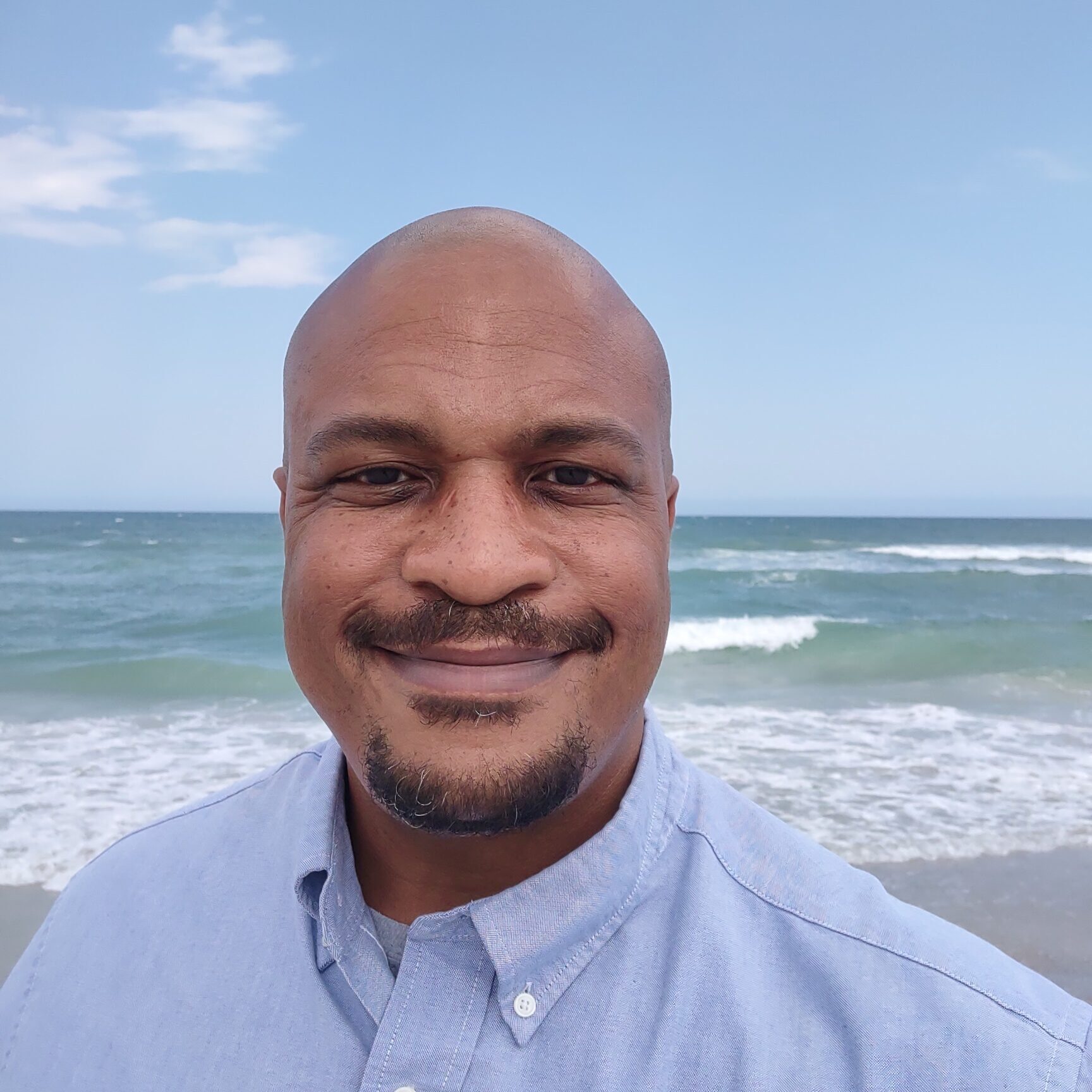
Will Polk serves as the lead counsel for the North Carolina Division of Emergency Management. He is currently chair of the Legal Counsel Committee for the National Emergency Management Association and was a member of the Legal Services Corporation’s Disaster Task Force. Mr. Polk served as Deputy General Counsel in the Office of the Governor before working for the Department of Public Safety. He has also served as General Counsel in the Office of the Lt. Governor and as Director of the Victims and Citizens Services Section of the Attorney General’s office.
He started his career in state government as a public safety policy analyst for the Office of the Governor. He also was chair of the Workplace Violence Committee of the North Carolina Council for Women/Domestic Violence commission. Polk served as the attorney general’s designee to the North Carolina Council for Women/Domestic violence Commission. He was recognized for his legislative efforts by being awarded the Legislative Advocacy Award by the North Carolina Coalition against Domestic Violence.
Polk, a native of Harrisburg, North Carolina, received a bachelor’s degree in political science with a concentration in criminal justice from North Carolina State University in 1996 and his Juris Doctor from North Carolina Central University School of Law in 1999. He is admitted to the North Carolina State Bar and U.S. District Court for the Eastern District of North Carolina.

Annie Vest is the vice president of the National Hazard Mitigation Association. She currently serves as a subject matter expert to the Department of Homeland Security CISA, Resilient Investment Planning, and Development Working Group. Vest is the former state hazard mitigation officer (SHMO) for Oklahoma. She has extensive, real-world experience in hazard mitigation, pre- and post-disaster, and emergency management. As SHMO, Vest was directly responsible for $130 million in Federal Hazard Mitigation Assistance (HMA) funds and the review and approval of local hazard mitigation plans.
Professionally, Vest assists various clients in achieving community resilience through mitigation and resilience efforts. She holds a bachelor’s degree from Northwest Missouri State University and a Dual master’s degree from Ball State University.
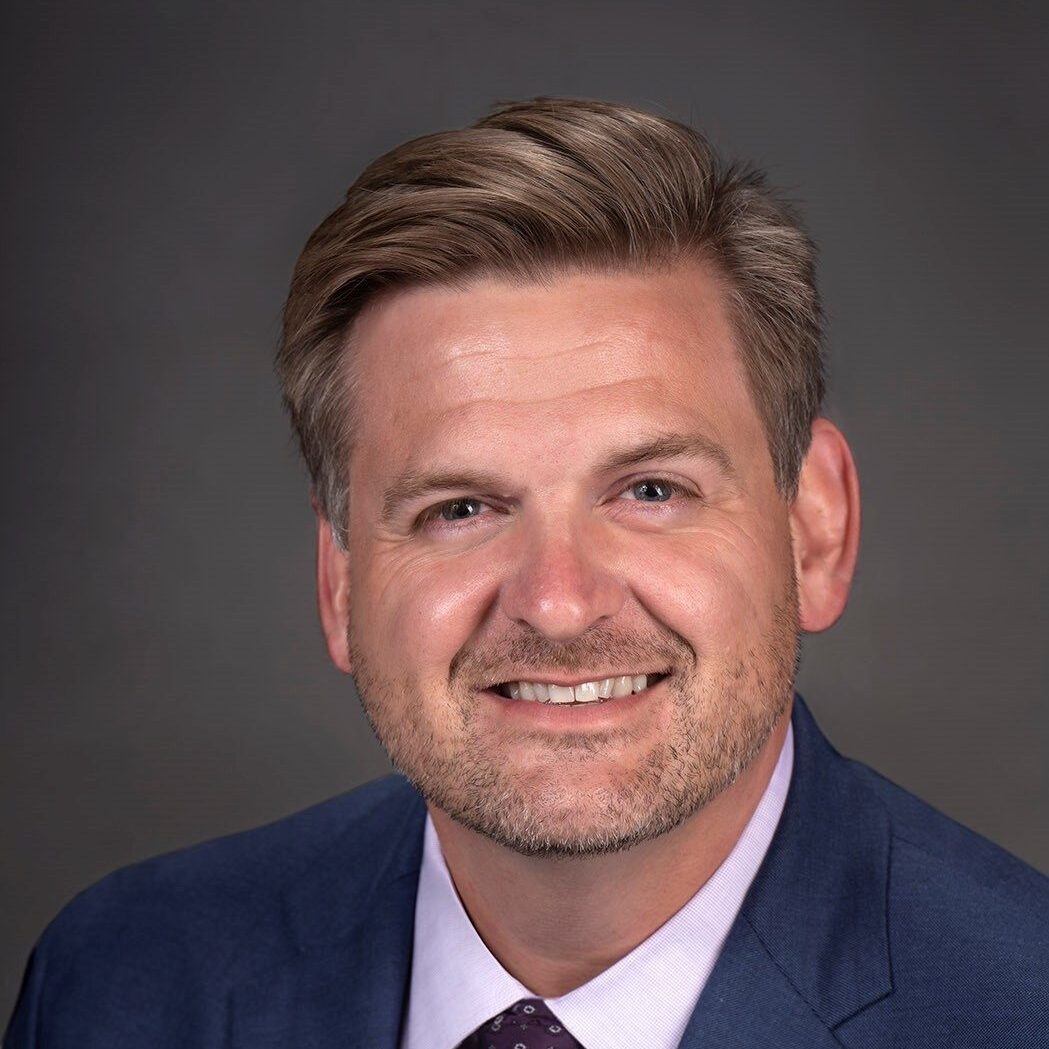
Gary is the Grants Manager for CH Fenstermaker and Associates, directing all Grant-funded Programs for Municipal Clients. These business lines include federal, state and local funding sources. His emphasis on community-based resilience is fueled by the desire to improve the intersection of natural and built environments at the community level.
His career in Emergency Management began in a volunteer capacity before working full-time for the Louisiana Governor’s Office of Homeland Security and Emergency Preparedness (GOHSEP) over a decade ago. There he focused on community-level response and recovery, preparedness and mitigation efforts before shifting to private-sector disaster mitigation and resilience consulting practice. Gary is a Certified Floodplain Manager (CFM) and a Member of the Board of Directors for the Louisiana Floodplain Management Association (LFMA).
He serves as the Legislative Liaison for the LFMA Board and volunteers on the LFMA Disaster Response Team (DRT). Gary maintains memberships in the Association of State Floodplain Managers (ASFPM) as well as both the American Planning Association’s (APA) and the Coastal Conservation Association’s (CCA) Louisiana Chapters.