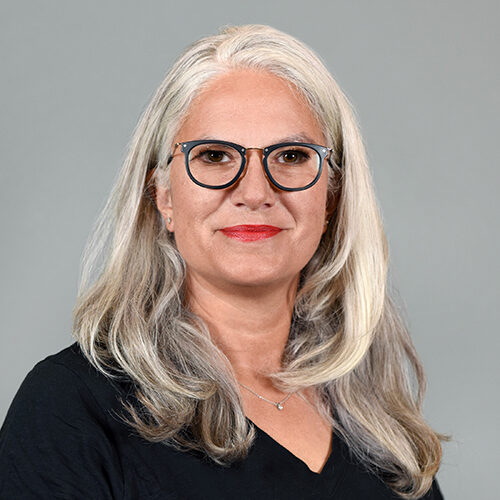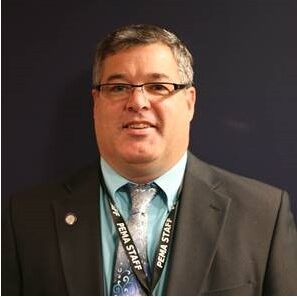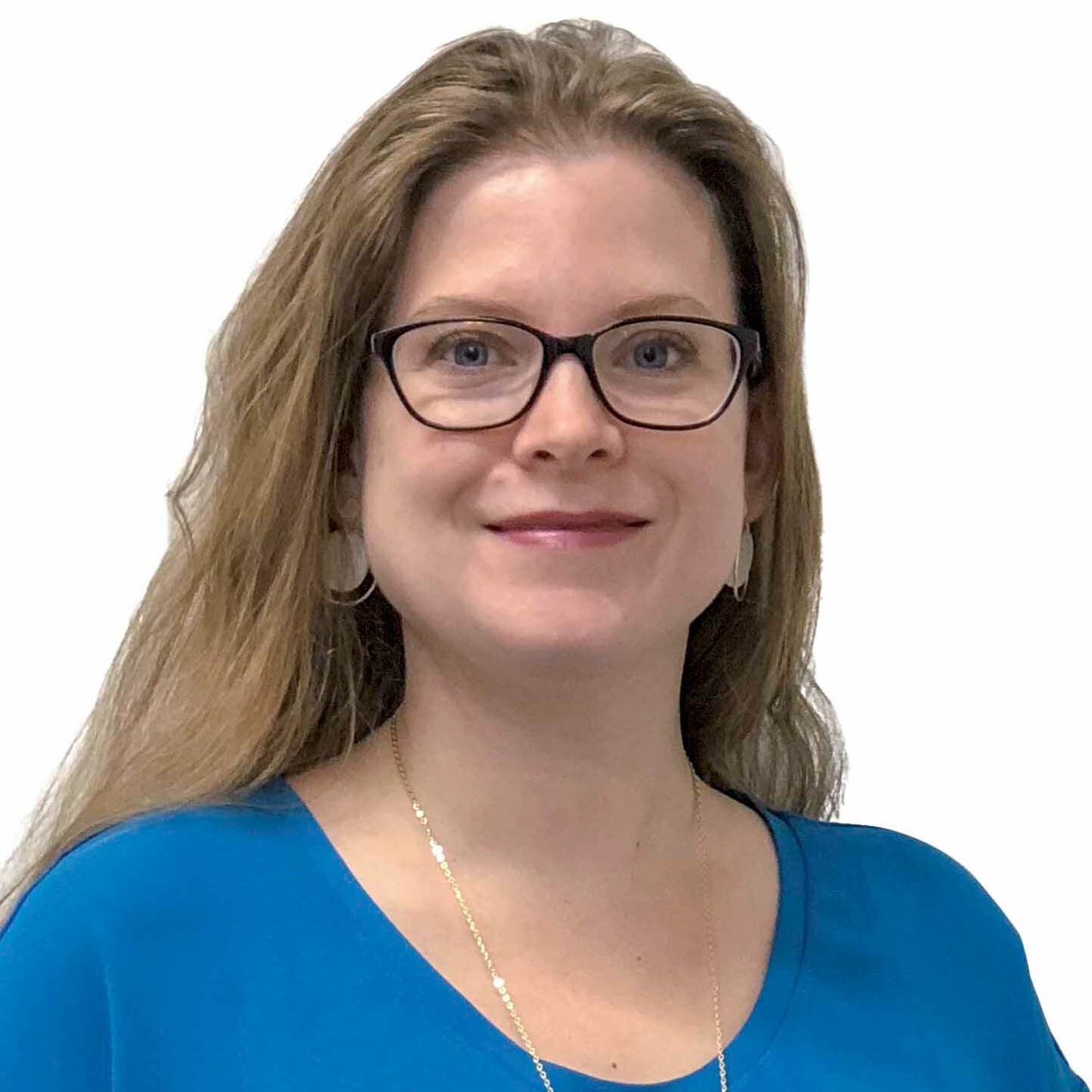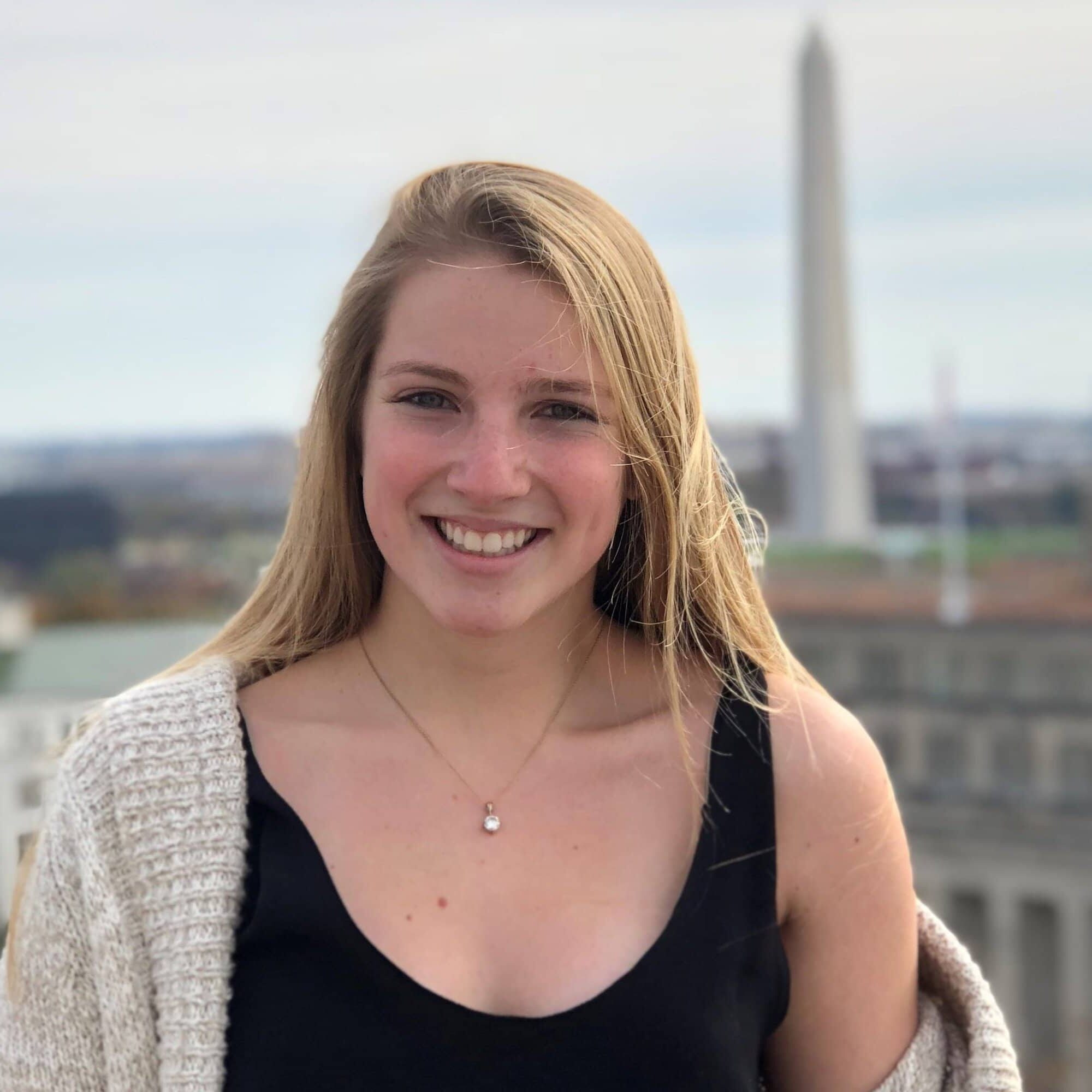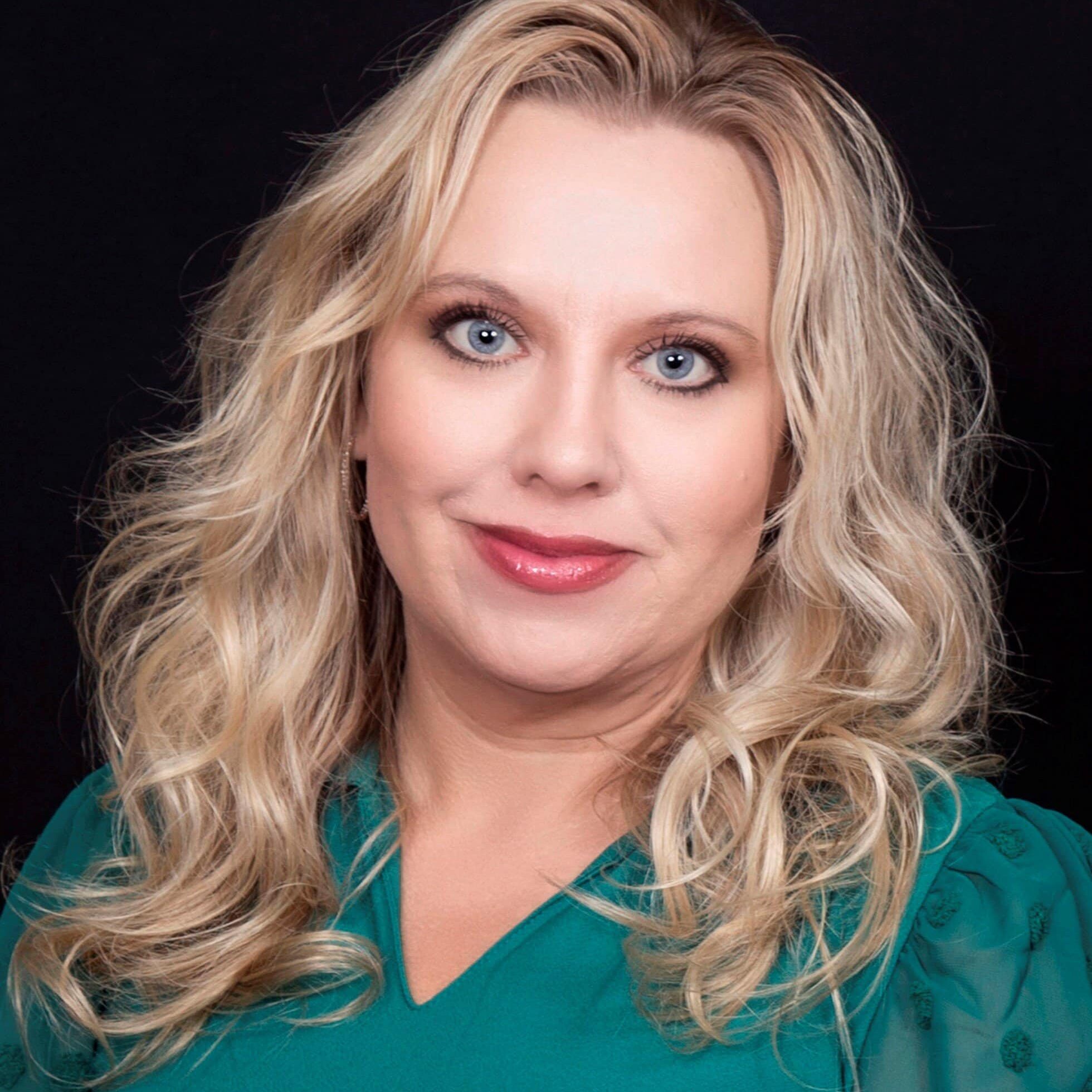
Practitioner Spotlight: Destiny Colorado
November 17th, 2026
What is your current position, title, and how would you describe what you do?
I am temporarily filling a new role as a grant administrator overseeing several different programs including hazard mitigation, public assistance, as well as several preparedness grants. My home job that I will return to is as the State Hazard Mitigation Officer for the State of Arizona.
How did you first get started in hazard mitigation?
I was working in the energy industry at the time and one of the gentlemen that I served in the navy with worked in emergency management and he said that it would be a very interesting field to join and that my skills would translate well. Essentially, he recruited me. Although I worked on nuclear power while I was in the military, the primary missions that I worked on were for hurricane relief and a lot of disaster relief. I wanted to continue to serve the public and continue to give back and make some kind of difference.
What is an initiative you are working on right now that stands out to you?
One of the big undertakings we are working on is how the state can better provide technical assistance to localities. Typically, hazard mitigation plans are put together by local entities with public support so if the public is already telling municipalities or local jurisdictions what is important to them, we should really be following that direction and we should really be following up on have these items been actioned? If they haven’t, what can we do as a state to support the local jurisdictions to help implement whatever those priority actions are?
What made you interested in joining NHMA?
That’s where all the cool people are! But no, in all seriousness – as someone who is newer to emergency management, this is a place where I can continue to learn from peers and continue my professional development, then also share more about what it looks like within my own state and what mitigation looks like from a smaller capacity. NHMA is a great place to share and consider the scalability of different projects.
What is one hope you have for NHMA or hazard mitigation in general over the next year?
I would love to see the membership for NHMA to continue to grow because we are all working in a very similar field, even if folks aren’t directly integrated with the day-to-day pieces of hazard mitigation. My hope is that over the next year, the membership continues to grow, cross communication continues, and ideas are shared more abundantly. The only way that mitigation can continue to grow as a field is if all of the stakeholders continue to talk together, share information, and share ideas. I think sharing information is going to be crucial, and the only way you can share information is if you have someone to share information with.
March 23 2026
What You Missed At NEMA
By Derrick Hiebert
This year's NEMA mid-year felt unique for several reasons: the continued absence of our FEMA partners, the conversations focused on state-led programs as potential replacements for FEMA-led ones, what felt like a higher number of contractors relative to state representatives than normal... It was hard-hitting and provided a great chance to discuss what may be coming down the pike and the future of hazard mitigation as we know it!
Inside the "Leaked" FEMA Council Report
The FEMA Council report was "leaked"; it was an older version from December, but it revealed what had been previously reported about a "parametric" style disaster recovery system, with 50% cuts to FEMA staff, and some odd changes to HMGP.
It also maintained most of the response ecosystem and increased Individual Assistance for survivors with more losses, while reducing it for those with minor losses. The NFIP privatization ideas were also included, though paired with a focus on codes and standards. Many of the ideas within the report will require legislative approval to be accomplished. It does look like we will get a full report at some point, hopefully sooner rather than later!
The Congressional Outlook
The Congressional staff from Senate and House committees joined us to share about legislative reform. To put it frankly, it doesn't look like there is much of a path for FEMA reform in the near future from Congress thanks to Senate Committee Chair Paul. This is unfortunate as the FEMA Act has a lot of good ideas in it… Hopefully, there will be some interest moving forward.
The good news is we are getting a new DHS Secretary and FEMA Administrator.
I know we all know this, but NEMA was full of different ideas and names for the new FEMA F1. I have my own hopes for who it will be, but I advise against gambling in the prediction markets over this one!
The Rise of State-Led Programs
Many states are moving forward on new state IA, PA, and HM programs. Several states, such as Oregon and Pennsylvania have created or are creating new programs to invest in resilience and recovery. It is great to see both individual and state efforts leading the chase on these programs.
My advice if you are one of those states is:
-
Create a program meant to serve your state, not just a smaller version of FEMA's programs (though do learn those lessons!)
-
Start with your program's outcomes, develop a functioning pilot, and only then write policy. At FEMA, crafting programs from soup to nuts without testing them out could lead to negative outcomes because, once finalized, policy and practice are difficult to change.
-
Be ready to make your program a success no matter what FEMA does. Make it able to pull in dollars from everywhere and direct them to your priorities.
-
Consider the whole of the government, not just one piece. Our field is multi-disciplinary, our problem multi-faceted, our solutions need to be multi-agency/multi-
jurisdiction by design.
-
Learn from the infrastructure world and think programmatically. Things like three year periods of performance don't make sense when talking about infrastructure. Funding is not single-source and may come from grants, bonds, or user fees. Design and planning are critical to success.
-
We do not fail in our missions because of technical shortcomings, we fail because of organizational problems. How we organize, including how we manage authorities and resources and who can say yes and no, largely drives whether we can be successful.
The "Turnover" Continues
The turnover in our profession continues across the board. Lots of retirements have happened or are on the docket for the next year or two. Lots of up and coming mitigators have been forced out of our profession due to lack of job availability. Expect lots of new relationship building over the next few years, as we connect with those moving into new positions within our field!